Stepping up to a Let It Ride table feels less like chasing a flashy jackpot and more like settling into a measured, patient session where the pace is yours to set. The game rewards players who understand when to pull cards back and when to let a strong hand run, which is why a proper casino game review let it ride matters before you commit any chips. I’ve spent years building growth plays across Southeast Asia where luxury hospitality and disciplined execution meet, and the same principle applies here: a polished interface and clear rules do more for retention than any promised windfall. If you’re comparing options, checking a play croco bonus codes list can be a sensible first step, though the real test is always how the table itself behaves under real money play.
How the Hand Unfolds at the Table
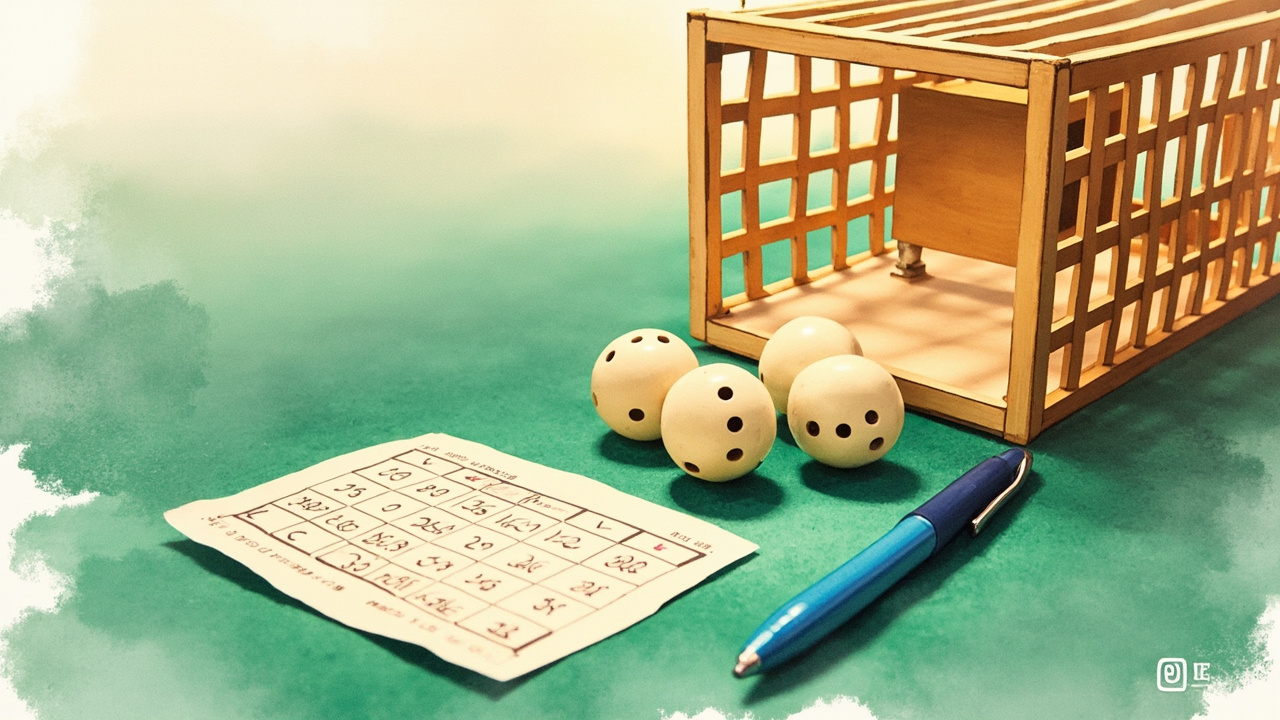
Let It Ride begins with three cards dealt face down to each player, and the first decision arrives almost immediately. You can either let your initial bet stand or pull one of the two commission bets back, which is the moment where discipline separates a steady session from a reckless one. The dealer then reveals the first community card, and that single card often dictates whether you hold or let the second bet ride. A practical walkthrough matters because the rhythm of the game is built around these small, sequential choices rather than a single big spin. When I’ve evaluated product flows in luxury resort casinos, I’ve found that the clearest interfaces are the ones that surface the next decision without crowding the player with noise, and that same clarity keeps a Let It Ride table readable from the far end of the room. The second community card arrives, the final hold-or-pull decision lands, and then the payout ladder does its work, rewarding three-of-a-kind and better while returning the original ante on weaker qualifying hands.
| Detail | What it means at the table |
|---|---|
| Starting cards | Three face-down cards per player |
| Commission bets | Two optional bets you can pull back early |
| Community cards | Two revealed cards that shape each decision |
| Qualifying hands | Three of a kind and better typically pay |
| House edge note | The “la partage” rule also softens the blow of a zero on even-money bets, lowering the house edge |
Reading the Layout and Localising the Experience
A clean table layout does more than look sharp; it tells you where the betting circles sit, how the payout chart is printed, and whether the dealer’s cadence matches the room. In Australian venues, you’ll usually see the language and currency already tuned to dollars and cents, with denominations that feel familiar rather than translated from a distant market. Navigation around the table is physical rather than digital, but the same design logic applies: the eye should find the ante line, the two pull-back markers, and the paytable without hunting. When I’ve worked on relationship-led rollouts in Southeast Asia, I’ve learned that localisation isn’t just about swapping a symbol; it’s about making the whole experience feel like it belongs to the room you’re standing in. Reducing bet limits and spin speeds is shown to lower the intensity of pokie losses, and while Let It Ride isn’t a pokie, the same principle of measured pacing helps keep a session comfortable rather than frantic.
Table Decisions, Bankroll, and a Fair Go
The real skill in Let It Ride sits in knowing when to let a weak hand go and when a borderline combination deserves a second look. A pair of nines or a suited connector can tempt you to let both bets ride, but the payout ladder is unforgiving on hands that don’t quite make the grade. I reckon the smartest players treat the pull-back option as a pressure valve, not a punishment, and that mindset keeps the session sustainable over a long arvo at the tables. A fair go in this game isn’t about expecting the deck to bend; it’s about giving yourself a structured chance to play the odds without bleeding chips on impulse. If you’re comparing venues or testing a new setup, checking a play croco bonus codes page can be a useful window into how promotions are structured, though the table’s own rules and your own limits should always lead the decision. She’ll be right only if you’ve set your boundaries before the first card lands, not after. play croco bonus codes